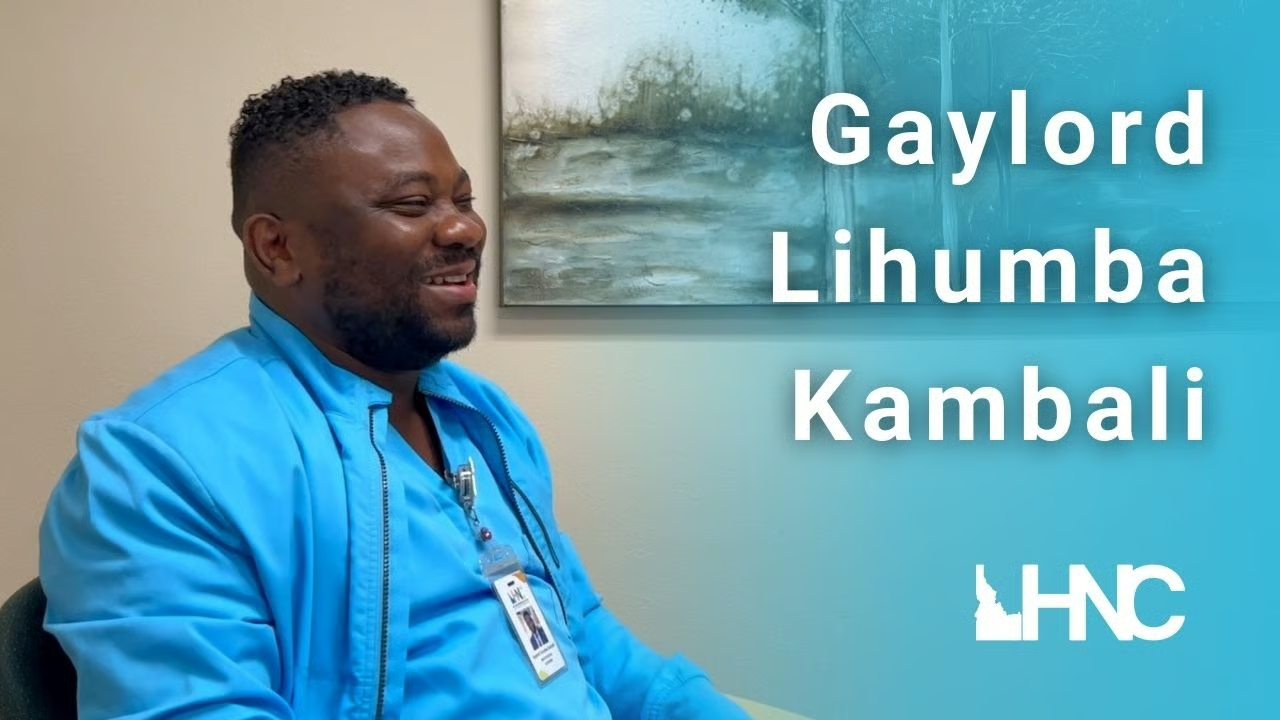
Imagine this: you’re a brilliant doctor with years of experience, saving lives in your home country. Then, due to war or some other hardship, you have to flee and start over. This is the reality for many International Medical Graduates (IMGs) – amazing doctors who face huge hurdles practicing medicine in the United States, especially in places like Idaho that need them most.
The Struggles of Starting Over
For IMGs with special circumstances, the American dream can turn into a nightmare. They only have a short time (around 6 months) to find a permanent job, get licensed, and enter a residency program (like extra training for a specialty). This pressure often forces them to take jobs below their skill level, like being a translator, just to make ends meet.
On top of that, the whole process can cost a whopping $30,000! For refugees or asylum seekers with families, that’s a mountain of money they might not have.
The biggest frustration for many IMGs is having to start from scratch, even if they’ve been doctors for years. They have to retake exams and redo residency programs, which can be discouraging.
Idaho’s Healthcare Puzzle
Idaho especially needs these skilled doctors. It’s a big, rural state with a shortage of physicians. But there are only a few residency programs, mostly for family medicine or psychiatry. This leaves many IMGs without a clear path forward.
The state wants to help, but often with a catch – IMGs have to promise to work in underserved areas for a while. This can be good for those areas, but it limits options for IMGs with specialized skills who might prefer a different setting.

A Beacon of Hope
There’s good news, though! Dr. C. Scott Smith, a retired medical professor, is working hard to find solutions for IMGs in Idaho.
One idea is to create a special group with doctors, insurance companies, and hospitals. They’d work together to find ways to safely let IMGs with lots of experience practice medicine in Idaho. Maybe they could skip some exams and get a temporary license to work under a residency program’s supervision. This would help both IMGs and Idaho’s doctor shortage.
Dr. Smith is also talking to the important organizations that oversee medical training and licensing. He hopes to create a pilot program in Idaho that could be a model for other states facing similar challenges.
Building a Supportive Community
Beyond policy changes, Dr. Smith is helping IMGs and their families feel welcome in Idaho. He connects them with resources like language classes and cultural programs to make their transition smoother.
For example, there’s a couple from Iraq who fled after the husband’s father was killed. They’re both highly skilled doctors (a pediatrician and a cardiologist!), but it’s been tough for them to navigate the US medical system. Dr. Smith has been a champion for them, connecting the wife with a residency program director and helping them find temporary jobs that use their skills. Despite all they’ve been through, their story shows how valuable IMGs can be.
A Brighter Future for All
The US, and especially Idaho, needs more doctors. Helping IMGs with special circumstances is a win-win. It gives these amazing doctors a chance to use their talents, and it fills the gap in places that lack healthcare options.
Thanks to people like Dr. Smith, we’re starting to see a brighter future for IMGs in Idaho. As these dedicated doctors keep overcoming challenges, their stories remind us that by working together, we can build a stronger healthcare system for everyone.